Freelance Developer, Not Firefighter: Building Things That Don’t Break

When people talk about freelance development, they often focus on speed. Deliver fast, deliver now, move on. But the truth is, most of my work comes from the exact opposite problem: someone moved too fast, and now everything’s on fire.
Broken APIs, automation that silently fails, data that never makes it to the destination. Systems duct-taped together and barely holding. I’ve seen it across startups, internal tools, and even surprisingly large platforms.
Some clients come to me after that first fire. Others come after the fourth. By that point, it’s not just code that needs fixing. It’s trust, visibility, and process.
I’ve been doing backend and systems work long enough to know that you don’t prevent fires by coding faster. You prevent them by building with clarity and structure up front.
Here’s what that looks like in practice.
1. Use Systems That Can Explain Themselves
If someone can’t look at the workflow and understand what it does, it’s going to break at the worst possible time.
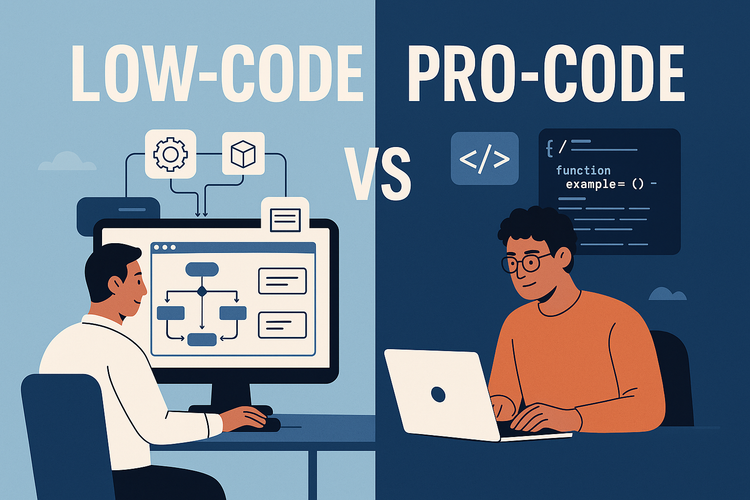
That’s why tools like Zapier, Make, n8n or Boomi make sense when used properly. Visual flow, sensible naming, and documented nodes go a long way. Even if I’m building something that “just works,” I want the next person to understand it without digging through a maze.
Every integration I build gets clear output handling, logging, and notes. Don't hide the complexity. It needs to be made legible.

If you're writing code then you're going to want to document it well inside and out. Comments in the right places to explain code if it seems complicated, function explanations, class definitions, and a good README.md included with the source can make a substantial difference.
2. Fail Loud, Not Silent
Too many systems quietly fail when they hit bad data or a missing field. No alert, no retry, no visibility.
I try to set up failures to be obvious. If something goes wrong, someone gets a Slack message, an email, or a ticket in their system. Or at the very least, it logs somewhere that someone actually checks.
This isn’t complicated. You just have to care enough to wire in a fallback plan.
3. Plan for Change, Not Just Launch
Most systems don’t stay still. APIs change. Processes evolve. People leave. I have lost count of how many times I've asked who would know about the system only to be told the person who made it is no longer with the company and they left no documentation.
I build workflows and services with that in mind. That means versioned endpoints, loose coupling between systems, and environments that can be cloned or rebuilt without black magic.
For example, if I’m delivering an API, I’ll include a docker-compose file so they can spin it up anywhere. If I’m automating a workflow, I’ll include documentation that explains what triggers what, where secrets live, and how to test it without breaking production.
4. Know When to Say “That’s Not a Good Idea”
A big part of freelance work is being willing to push back.
I’ve had clients ask for solutions that seemed fast on the surface but would have turned into long-term maintenance headaches. Sometimes the fix isn’t writing code, but clarifying the real need and choosing the simpler path.
That’s part of the value I bring. It's a waste to build something when it isn't even needed in the first place.
What It Comes Down To
I’m not in this to deliver something flashy and disappear. I’m here to help teams stop putting out the same fires every quarter.
That might mean building from scratch, or it might mean auditing and improving what’s already there. Either way, I approach projects with the same mindset: structure, reliability, and clarity.
It takes more effort up front, but it pays off every time something just works.
If you’re tired of building on sand and hoping nothing collapses, I’d be glad to help.
Let’s make something solid.